Couples Counseling
Wondering if couples therapy actually works. Discover the real divorce rate after counseling and why timing matters more than you think.

Wondering if couples therapy actually works. Discover the real divorce rate after counseling and why timing matters more than you think.

Have you ever wondered if couples therapy actually works? Or maybe you heard someone say that therapy just leads to divorce. It’s a pretty common worry. A lot of people think that if a couple goes to counseling, they are probably already on the way to breaking up. But is that really true? Let’s talk about it.
This article will look at how often does couples therapy end in divorce. We will keep things super simple. No big words. No fancy terms. Just straight talk like two friends having coffee. We want to answer your real questions. We will also share some easy numbers and facts. By the end, you will feel much clearer about whether therapy helps or hurts a marriage.

Couples treatment is like a check-up for your relationship. Think of it like going to the dental specialist. You do not hold up until your tooth falls out to get offer assistance. You go to keep your teeth solid. Treatment works the same way. A specialist is a prepared individual who makes a difference you and your accomplice conversation superior. They do not choose sides. They do not tell you who is right or off-base. They fair offer assistance you both listen each other.
Sometimes individuals think treatment is as it were for couples who are battling all the time. But that is not genuine. A few couples go fair to remain near. Others go since life got active and they feel like roommates. Treatment gives you a secure put to say what is on your intellect. It makes a difference you discover out what is truly bothering you. Most of the time, the genuine issue is not the dishes in the sink. It is feeling unheard or unappreciated.
When couples begin treatment, they are regularly frightened. They stress the specialist will say they ought to break up. But great advisors do not do that. They offer assistance you choose what is best for you. They donate you apparatuses. What you do with those apparatuses is up to you.
Read Also: 100+ Valentine Day Songs for Every Couple
Here is the brief reply. Most couples who go to treatment remain together. Ponders appear that around 70 to 75 percent of couples say treatment made a difference them. They feel closer. They contend less. They get it each other way better. As it were almost 25 to 30 percent of couples conclusion up separated after therapy.
That implies most individuals do not break up. Treatment really spares more relational unions than it closes. But here is the thing. Some of the time separate is the right choice. If a relationship is risky or unfortunate, finishing it can be the best choice. Treatment can offer assistance individuals see that clearly as well. So separate after treatment is not continuously a terrible thing. It fair implies the couple found a superior path. Another critical point is timing. Couples who hold up as well long to get offer assistance have a harder time. If you hold up until you abhor each other, it is much harder to settle things. Treatment works best when both individuals still need to attempt. So going early is a shrewd move.
| What Happens After Therapy | Percentage of Couples |
|---|---|
| Stay together and feel better | 70% - 75% |
| End up divorced | 25% - 30% |
Not each couple remains together. And that is affirm. In some cases treatment makes a difference individuals realize they need distinctive things. Perhaps one individual needs kids and the other does not. Perhaps believe is broken and cannot be settled. Treatment does not drive individuals to remain. It fair makes a difference them see the truth.
Some couples separate since they begun treatment as well late. They held up a long time and a long time. By the time they sat down with a advisor, they were as of now done. They were fair going through the movements. Treatment cannot settle a relationship if one individual has as of now given up. Both individuals have to need it.
Money issues, lying, or cheating can moreover be as well difficult to move past. A few harms take a exceptionally long time to mend. And a few never completely recuperate. That is genuine life. Treatment gives individuals a chance. But it is not enchantment. It still takes difficult work each single day. Also, a few individuals go to a advisor who is not a great fit. Fair like you do not press with each specialist, you may not press with each advisor. If you feel judged or misjudged, it is affirm to attempt somebody else. Finding the right coordinate things a lot.
You May Also Like: What Are the Best Tips for Lasting Valentine’s Day Flowers?
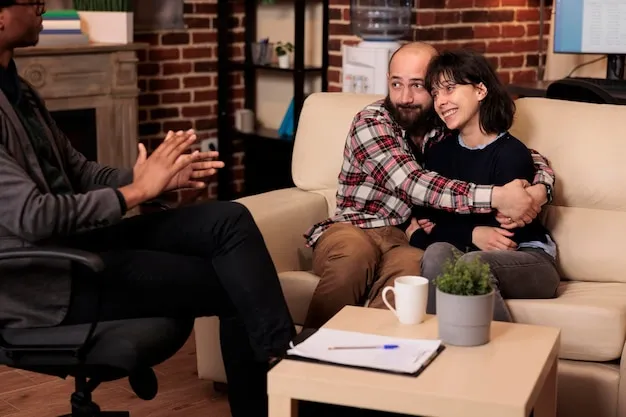
This is a reasonable address. A few individuals stress that talking around issues will fair make them greater. They think, "In the event that we do not conversation approximately it, possibly it will go absent." But issues do not fair vanish. They develop in the dark. Therapy can feel awkward at to begin with. You might cry. You might listen things you do not like. You might feel irate. But that is not treatment making things more regrettable. That is the truth coming out. And you cannot settle something you deny to see.
In exceptionally uncommon cases, a awful advisor can cause hurt. Perhaps they take sides. Perhaps they disgrace one accomplice. That is not great treatment. That is a awful fit. If that happens, you ought to halt seeing that individual. A great specialist makes both individuals feel secure, indeed when the conversation is hard. So no, treatment does not cause separate. It fair pulls back the window ornament. What you see might be wonderful. Or it might be difficult. Either way, you presently know the truth. And knowing is continuously way better than guessing.
Yes, completely. A few couples go fair to remain cheerful. Think of it like a annually physical. You are not wiped out. You fair need to remain sound. Relationship check-ups are the same idea.
Life tosses a parcel at us. Kids, work, stretch, wellbeing issues. Indeed solid couples can float separated without taking note. Treatment makes a difference you check in. It gives you a chance to say, "Hello, I miss you," or "I feel forlorn." In some cases we do not say those things at domestic since we are as well tired or distracted. Preventive treatment is getting to be more common. Youthful couples go some time recently they get hitched. Modern guardians go some time recently the child arrives. Couples going through huge changes go fair to remain on the same page. It is savvy. It is not a sign of shortcoming. It is a sign of love.
Online treatment is exceptionally well known presently. You conversation to a advisor from your sofa. No driving. No holding up room. Fair you, your accomplice, and a screen. Numerous individuals discover it simpler to open up at domestic. They feel more relaxed. Studies appear online treatment works fair as well as in-person treatment for most couples. The key is having a great web association and protection. You do not need the kids strolling in amid a genuine conversation. But if you can discover a calm space, online treatment is a incredible option.
It is moreover cheaper in numerous cases. And you can choose a specialist from anyplace. That implies more choices. You are not stuck with as it were the advisors in your town. That makes a difference you discover somebody who truly gets you.
Read: Signs Of Unhealthy Relationship Psychology

This is a overwhelming address. And the reply is individual. But here is a straightforward way to think almost it. Treatment is a device. It is not a discipline. It is not a final halt some time recently separate court. It is a chance. If you are considering around separate, treatment can offer assistance you feel beyond any doubt. Possibly you will realize the marriage is worth sparing. Perhaps you will realize it is time to let go. Either way, you will know you attempted. You will not see back and ponder "what if."
Many individuals who separate say they wish they had attempted treatment sooner. Not since they needed to remain together. But since they needed to get it what went off-base. Treatment gives you answers. Indeed if the reply is goodbye.
So no, treatment does not cause separate. It causes clarity. And clarity is continuously a great thing.
A: No. Most couples who try therapy stay together. Studies show about 70 to 75 out of 100 couples feel better after therapy. They argue less and feel closer. Only about 25 to 30 out of 100 end up divorced. So how often does couples therapy end in divorce.
A: Around 25 to 30 percent of couples get divorced after counseling. That means roughly one in four. But remember, some of those divorces were the right choice. Therapy helped them see that clearly. The other 70 to 75 percent stay together and report being happier.
A: It is worth it for most people. Think of it like hiring a coach. You learn new ways to talk and listen. You understand your partner better. Even if you still divorce, therapy helps you do it with less fighting and more respect. Most people say they wish they had gone sooner.
A: Yes, but it depends on timing. If both people still want to try, therapy has a good chance. It gives you tools to fix broken trust and poor communication. If one person has already given up completely, it is much harder. But many failing marriages have been saved by good therapy.
A: Some couples feel better after just a few sessions. Others need several months. It is not a race. The goal is to learn skills you can use at home. Once you feel like you can handle problems on your own, you can stop. Every couple moves at their own speed.
A: Good therapists do not tell you what to do. They help you figure out what is best for you. They might ask hard questions. They might help you see patterns you missed. But the final choice is always yours. A therapist’s job is to guide, not decide.
A: Sometimes people realize they want different things in life. One wants kids, the other does not. One wants to move, the other wants to stay. Some hurts like cheating or lying are too deep to fix. And some couples wait too long to get help. By the time they start, they are already done.
A: Yes, this can happen at first. You are finally talking about things you pushed away. That can stir up feelings. But this is not therapy making things worse. It is old problems finally coming to the surface. Over time, the fighting usually calms down and turns into better conversations.
A: Yes. Many studies show online therapy works just as well. You get the same help from a trained therapist. The difference is you are at home on a screen. Some people actually feel more relaxed this way. Just make sure you have privacy and a good connection.
A: Look for someone who makes both of you feel safe. They should not take sides or shame either person. They should listen well and ask good questions. It is okay to try a few therapists before you find the right one. A bad fit is not your fault. Just keep looking.
A: Yes, more than you think. Some couples go just to stay close. Life gets busy. Kids, work, stress. It is easy to drift apart without noticing. Therapy is like a relationship check-up. You do not wait until you are sick to see a doctor. Same goes for your marriage.
A: It might not be too late. The real question is whether both of you still want to try. If there is even a little love left, therapy can help. It gives you a place to talk without yelling. It helps you remember why you fell in love. Many couples thought they were done, but therapy gave them a second chance.
A: It is harder but still possible. Sometimes one person goes alone to learn how to communicate better. That can change the whole dynamic at home. The other partner may see the change and decide to join later. Even if they never come, individual therapy can help you cope and decide what you want.
A: Most experts say the success rate is between 70 and 75 percent. That means most couples report feeling better about their relationship after therapy. They communicate better and feel more connected. Success does not always mean staying together forever. Sometimes success means ending things peacefully.
A: You start talking more. Even hard talks feel less scary. You feel heard by your partner. They may not agree with you, but they listen. You argue less often and recover faster. You laugh together more. You feel less alone. Small changes add up over time.
A: It depends on your plan. Some insurance companies pay for therapy if it is for a mental health diagnosis. Others do not cover couples counseling at all. You can call your insurance and ask. Many therapists also offer sliding scale fees based on what you can afford. Do not let money stop you from asking for help.
A: Yes. Many couples survive cheating with the right help. It takes time and a lot of honest talk. The person who cheated must be patient. The person who was hurt needs to feel safe again. Therapy gives you a safe place to work through all the pain. Some couples actually become stronger on the other side.
A: Most people use these words to mean the same thing. Both are about helping couples work through problems. Some therapists use the word counseling for shorter term help and therapy for deeper work. But in everyday talk, they are the same. You are getting help from a trained professional.
A: Yes, this is a very good idea. Therapy helps you know for sure. You might find out the marriage is worth saving. You might find out it is time to let go. Either way, you will have no regrets. You will know you tried everything. That peace of mind is priceless.
A: They ask about your history. How you met. What you loved about each other. They ask about your fights. What starts them. How they end. They ask what you want to change. They ask what you miss. They ask about your hopes. The questions are meant to help you open up, not to judge you.
A: Normal changes. You will not be the same couple you were before problems started. But you can become something new. Something stronger. Many couples say their relationship after therapy is better than it ever was. They learned how to talk. They learned how to listen. They stopped guessing and started knowing.
A: Costs vary a lot by where you live. In many places, a session runs between 75 and 200 dollars. Some therapists charge more, some less. Sessions usually last about 50 minutes. Many therapists offer a free phone call first so you can see if they are a good fit. Do not be shy to ask about cost up front.
A: You can still go alone. Individual therapy helps you understand your own feelings. You learn better ways to communicate. You learn what you need and want. Sometimes your changes inspire your partner to join later. Sometimes you realize you need to make a bigger decision. Either way, you are not stuck. You have options.
A: It is not bad. It is honest. A good therapist sees patterns. If you want totally different lives, they may point that out. That does not mean you have to split up. But it does mean you have hard choices to make. Knowing the truth is better than pretending.
A: Yes. Trust issues are one of the main reasons couples go to therapy. The therapist helps you understand where the mistrust comes from. Maybe something from your past. Maybe something your partner did. You learn how to rebuild trust slowly. Small steps. Clear promises. Follow through. It takes time, but it works.
A: The therapist usually asks what brought you in. They want to hear both sides. They ask about your goals. What do you hope to change? They may ask about your history together. It is mostly about getting to know you. No one is in trouble. No one is blamed. It is just the start of the conversation.
A: Yes, this is very common. Parents often fight about rules, discipline, and schedules. A therapist helps you find common ground. You learn to present a united front for your kids. You stop fighting each other and start working as a team. This makes family life much calmer for everyone.
A: Yes, everyone benefits when they try. Sometimes men are slower to open up. But once they feel safe, therapy helps them too. Many men say therapy taught them how to express feelings instead of shutting down. That skill helps at work, with friends, and as a parent too.
A: It is a popular type of couples therapy. It focuses on feelings and attachment. The idea is that we all need to feel safe and connected. When we do not feel safe, we push people away or cling too hard. This therapy helps you understand those patterns and change them. Many couples find it very helpful.
A: Yes, pre-marital counseling is a great idea. It helps you talk about big topics before you get married. Money, kids, where to live, how to handle family. You learn how to disagree without hurting each other. Many engaged couples say it made them feel more ready and less nervous.
Couples treatment does not conclusion most relational unions. It spares them. The numbers are clear. Most couples who go to treatment remain together and feel way better approximately their relationship. A few still separate, and that is affirm as well. Treatment makes a difference individuals make superior choices, not difficult ones.
If you are considering around treatment, do not be frightened. It is not a sign of disappointment. It is a sign of trust. You are saying, "I care around this. I need to attempt." That is courageous. That is love. And if you have as of now attempted treatment and it did not work, do not grant up. Now and then you fair require a diverse advisor or a diverse approach. Your relationship is worth the exertion. You are worth it as well.