Dating
Discover Atlanta's most private, aesthetic spots for couples in 2026. Our local guide reveals hidden gardens, secluded skyline views & intimate venues for uninterrupted moments.

Discover Atlanta's most private, aesthetic spots for couples in 2026. Our local guide reveals hidden gardens, secluded skyline views & intimate venues for uninterrupted moments.
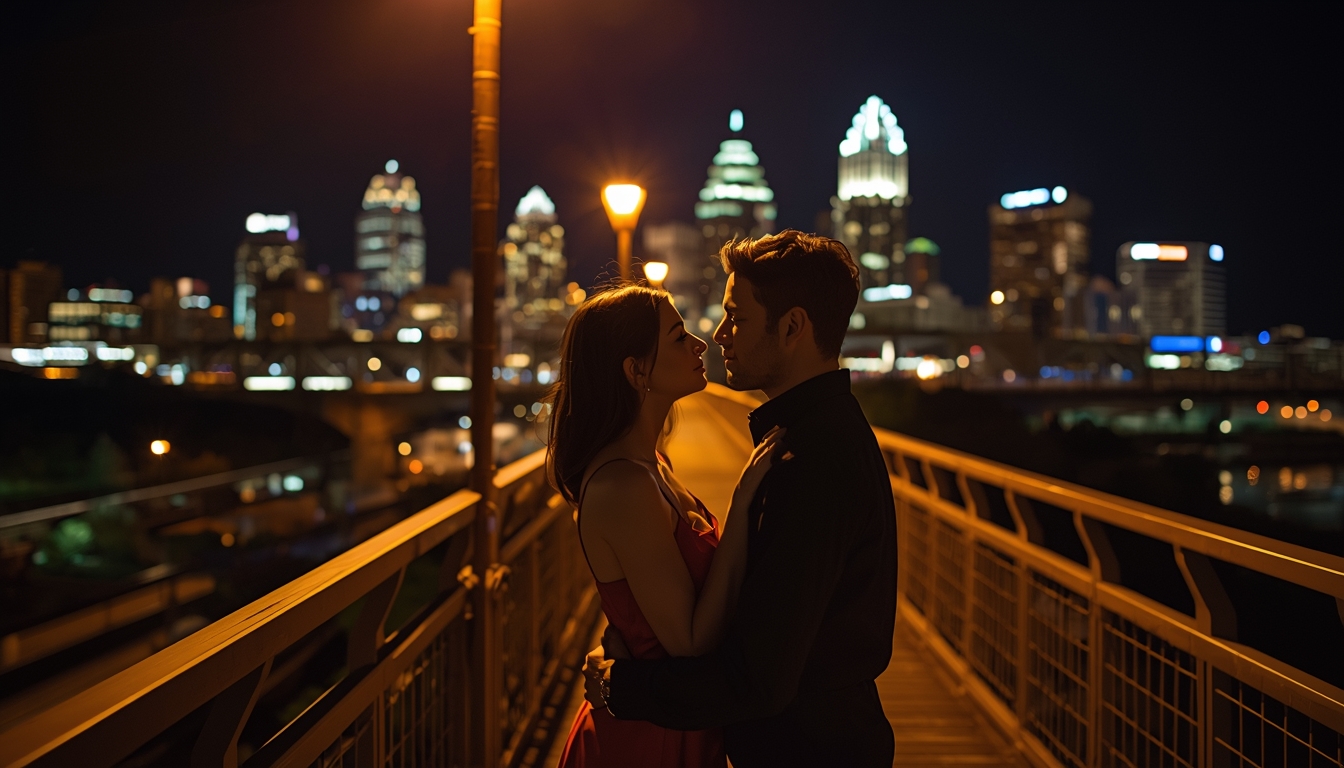
Looking for a spot in Atlanta where you can actually hear each other think? Where the vibe is right and you don't have to worry about someone's phone camera catching your quiet moment? Between crowded BeltLine spots and loud rooftop bars, true privacy in Atlanta can feel like a treasure hunt.
This guide is different. We've mapped out Atlanta's truly private spaces—places where the atmosphere is intentional, the sightlines are clear, and you can actually focus on your company. Whether you're planning a special date or just need a break from the city's constant energy, here's your 2026 roadmap to Atlanta's most secluded, aesthetic spaces.
If you need a recommendation right now, here are Atlanta's most reliable private spaces:
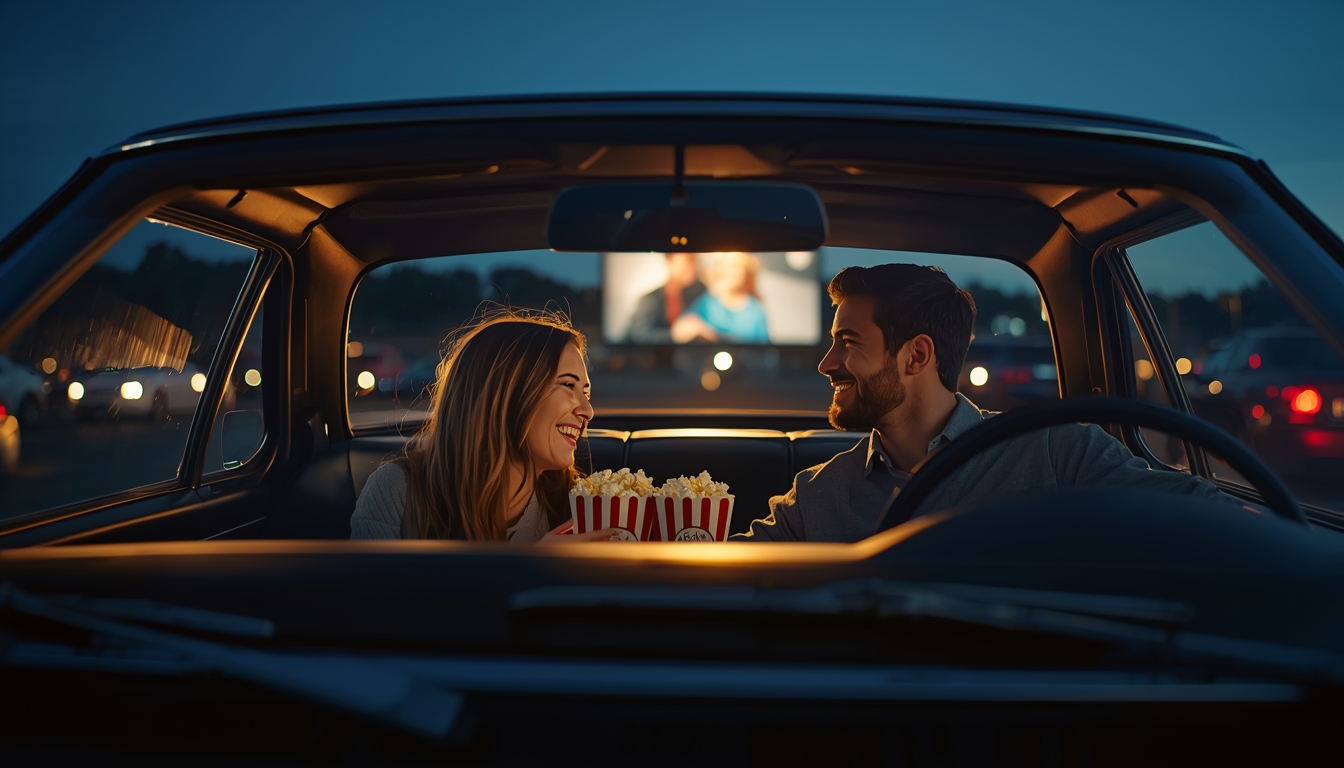
For guaranteed no-surprise privacy: Your car at the Starlight Drive-In. It's the only public place in Atlanta where you control exactly who sees you, with a classic movie as your backdrop.
For nature seclusion: The Lullwater Preserve suspension bridge on a Tuesday afternoon. The woods absorb sound, and weekday hikers are sparse and focused on their own walks.
For elegant urban escape: A corner booth at The Red Phone Booth speakeasy. The entry process (you need a code from the physical phone booth) filters out casual crowds, leaving serious cocktail enthusiasts who respect personal space.
For skyline views without crowds: The High Museum terrace at 3 PM on a Thursday. Most visitors are inside admiring artwork, leaving the outdoor space nearly empty with perfect Midtown views.
These spots offer privacy within the city's energy—places where you're surrounded by Atlanta's pulse but still have your own space.
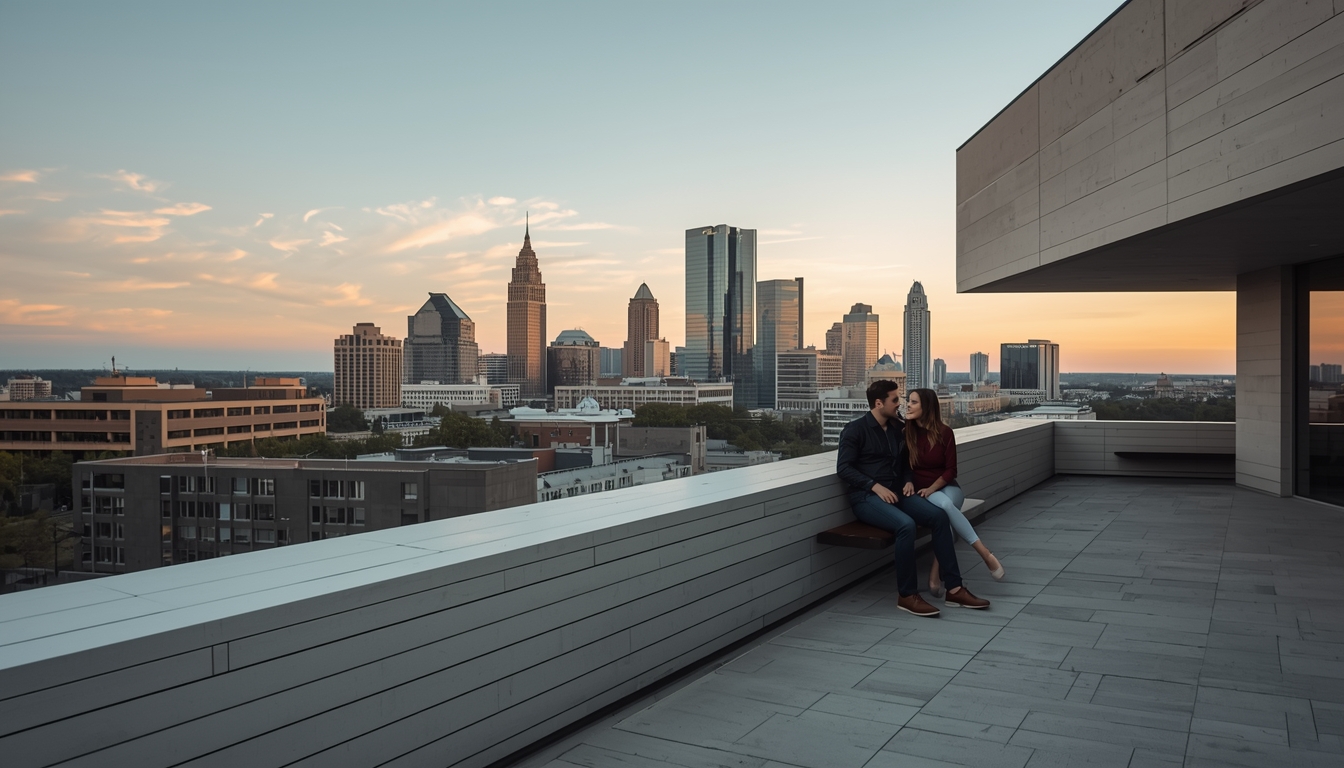
Most visitors miss this completely. While everyone crowds the indoor galleries, the outdoor terrace offers quiet benches with stunning city views. The modern art sculptures create natural visual barriers between seating areas.
When to go: Weekdays between exhibitions—check the museum calendar. The quietest periods are typically mid-afternoon.
Local tip: Enter from the 16th Street entrance and take the stairs immediately to your right. You'll bypass the main lobby crowds.
The network of second-level pedestrian bridges between Peachtree Center buildings offers surprising solitude during business hours. Glass walls provide urban views while maintaining separation from street noise.
Best spot: The bridge connecting the Marriott Marquis to the Hyatt Regency, particularly the western-facing sections in late afternoon.
Key detail: These walkways are monitored by security but remain publicly accessible. Perfect for a private conversation during a downtown day.
Most visitors stick to the shopping district, but the western edges of Atlantic Station along 17th Street offer elevated views of the rail lines and city skyline. Industrial aesthetics meet urban vistas.
Privacy level: Medium during daytime, high after 8 PM when retail traffic decreases.
Smart approach: Park near the Regal Cinemas and walk toward the State Farm office building. The raised platforms here are often completely empty.
Atlanta's true magic lies in its urban forests—places where you can genuinely forget you're in a major city.
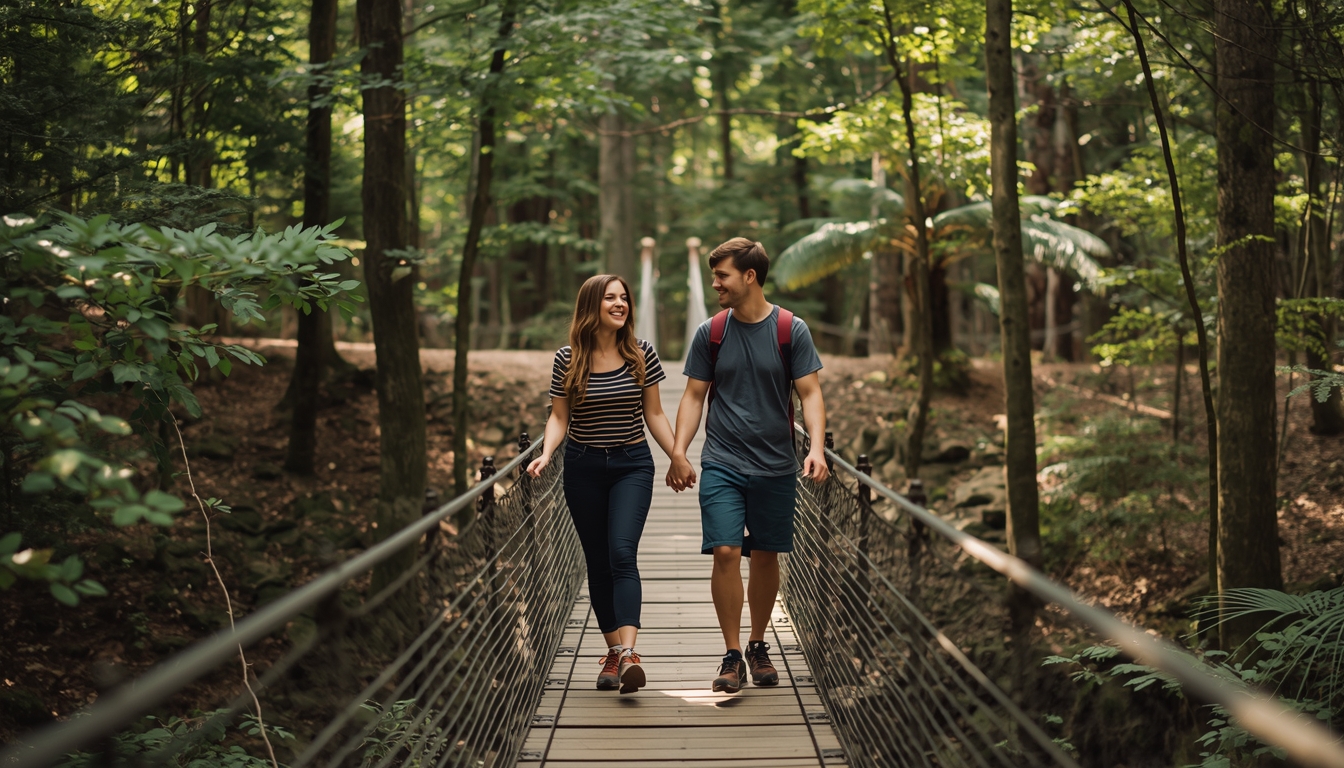
Far less known than Atlanta's major parks, this 135-acre preserve in Utoy Springs feels worlds away. The natural spring, waterfall, and Civil War-era ruins create multiple secluded nooks.
When to visit: Weekday mornings or Sunday afternoons. The parking lot only fits about 15 cars, which naturally limits crowds.
Pro advice: The stone bench near the waterfall platform is shaded by massive oak trees and completely hidden from the main trail.
This hidden gem in Morningside features a unique "Alice in Wonderland" garden with winding paths that create natural privacy. The park's design includes numerous hidden benches and secluded garden rooms.
Best feature: The park's layout creates accidental privacy—paths wind in such a way that you rarely see more than one other couple at a distance.
Local knowledge: Enter from the cul-de-sac at the end of Exeter Road for immediate access to the most secluded sections.
Along the Chattahoochee in northwest Atlanta, this park's greatest feature is its dispersed seating. Rather than one crowded area, benches are placed at 100-yard intervals along the river.
Privacy strategy: Walk at least 15 minutes downriver from the main parking area. Most visitors don't venture beyond the first few benches.
Essential tip: Bring insect repellent in summer months—the river proximity means mosquitoes are active at dusk.
Some Atlanta businesses specifically cater to those seeking personal space. These establishments build privacy into their business model.
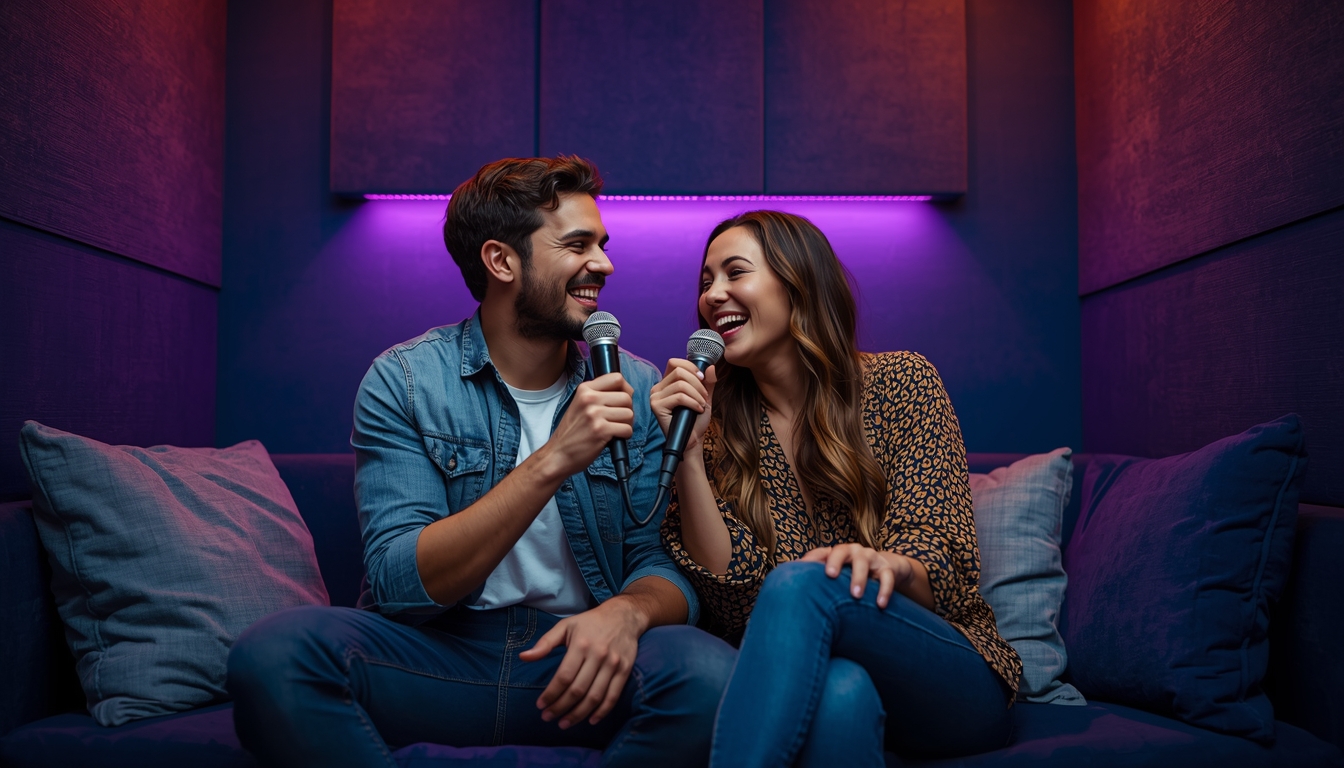
Establishments like Karaoke Melody in Midtown and Vocalize in Duluth offer completely private, soundproof rooms. You book by the hour, control your own music, and enjoy guaranteed privacy.
Economic tip: Sunday through Thursday afternoons offer the lowest rates—sometimes half the weekend price.
Hidden benefit: Many offer food and drink service with a discreet notification system, so you're never interrupted.
Several Atlanta food halls now offer reserved private pods. Politan Row at Colony Square has semi-enclosed booths that can be reserved for 90-minute intervals.
How it works: Reserve through their website, order food from any vendor, and enjoy your pod with curtains drawn for visual privacy.
Best timing: Lunch hours (11 AM-2 PM) see lower reservation rates than dinner.
Several Atlanta wineries and distilleries offer private tasting experiences. Urban Tree Cidery in West Midtown has a reservation-only lounge with just three tables.
What to know: These experiences typically cost more than walk-in tastings but guarantee personal attention and space.
Smart booking: Look for "industry night" specials on Mondays and Tuesdays when these spaces are most affordable.
In Atlanta, when you visit matters as much as where you visit. These popular spots transform at specific times.
Everyone knows Piedmont Park—few know its privacy schedule. While crowded on weekend afternoons, the park offers remarkable privacy during specific windows:
Early mornings (6-8 AM): Serious runners and dog walkers only, all moving purposefully. The meadow areas are nearly empty.
Weekday lunch hours (11 AM-1 PM): Office workers occupy specific areas, leaving large sections of the park completely open.
Just before closing (9-10:30 PM): The park clears out about an hour before the 11 PM closing time. Security makes rounds but respects quiet visitors.
The Eastside Trail gets crowded, but privacy exists:
Under the Krog Street Tunnel after 10 PM: The graffiti art takes on a different feel when you're not navigating crowds.
The Historic Fourth Ward Park skatepark area on weekday mornings: The skate bowl area has concrete seating that's perfect for private conversation before skaters arrive.
The stretch between Monroe Drive and Piedmont Park before 8 AM: Regular commuters pass through but don't linger.
Atlanta Botanical Garden offers members early entry at 9 AM (public opens at 10 AM). That first hour offers completely different energy.
Key insight: The Japanese garden and the edible garden sections are farthest from the entrance and therefore quietest even during public hours.
Membership math: If you visit more than twice a year, the membership pays for itself and provides this privacy benefit.
Sometimes the journey itself provides the privacy you need.
Running from Centennial Park to the King Historic District, the streetcar is often overlooked as transportation. But during mid-afternoon (2-4 PM), it's rarely crowded.
Private strategy: Take the full 20-minute loop. You'll have what amounts to a moving private tour of downtown.
Cost effective: Just $1 for unlimited rides within a 90-minute window.
The 2-mile walking path around Chastain Park has natural privacy rhythms. The southern section (near the horse park) is consistently less crowded than the amphitheater side.
Best approach: Walk counter-clockwise starting at the Pool Road parking lot. You'll hit the most secluded section first.
Added benefit: Free parking is abundant on weekdays.
While everyone knows the Silver Comet Trail, these PATH trails offer similar experiences with fewer people:
South River Trail in East Atlanta: Particularly the section between Bouldercrest Road and Intrenchment Creek Park.
Westside Trail beyond the Works: Most people stop at the restaurants, but the trail continues south with significantly reduced foot traffic.
Stone Mountain Trail north of Clarkston: The northern sections see mostly local residential use.
Understanding local etiquette increases your comfort in seeking private spaces.
When you encounter someone else in a "private" public space, a brief nod and looking away establishes mutual respect for each other's space. It's the local way of saying "I see you, we're both here for quiet, let's ignore each other respectfully."
In Atlanta's parks and trails, visible headphones—even if you're not listening to anything—signal "not open to conversation." It's a universally respected privacy signal.
Locals naturally maintain greater personal distance in shared quiet spaces. If you can hear someone's conversation clearly, you're probably too close for Atlanta standards in these contexts. Moving 50+ feet away is considered polite.
Atlanta's weather creates unexpected privacy windows.
A light drizzle clears out 80% of visitors from outdoor spaces while leaving covered areas accessible. The Historic Fourth Ward Park's covered seating areas become completely private during light rain.
Best spots during drizzle: Anywhere with a roof or dense tree cover—Piedmont Park's Oak Hill area, the covered benches at Freedom Park.
Hot Atlanta afternoons (2-4 PM) keep most people indoors. This is prime time for:
The shaded areas of Grant Park
Air-conditioned museum atriums (the Carlos Museum's upper floors are often empty)
The cooled indoor portions of the Atlanta History Center
Atlantans retreat indoors when temperatures drop below 50°, leaving outdoor spaces remarkably empty. This makes normally crowded views like the Jackson Street Bridge surprisingly accessible.
Key exception: Holiday light displays reverse this trend—avoid gardens and displays from late November through December.
Parking Intelligence: Always have a backup parking plan. Many "private" spots have limited parking that fills unexpectedly. Know the nearest alternative—usually a 2-3 block walk can mean complete privacy versus competing for space.
Lighting Awareness: If staying past dusk, note the lighting situation. Many Atlanta parks have minimal lighting. A small flashlight or phone light is both practical and a safety signal.
Restroom Reality: True privacy spots rarely have facilities. The nearest available restrooms are typically at:
Gas stations (cleanest: RaceTrac locations)
Hotel lobbies (act like you belong)
Library branches (hours vary)
Noise Carry: Sound travels farther near water and in valleys. Conversations at the Chattahoochee River parks or in Brookhaven's Murphey Candler Park carry more than you'd expect. Lower voices near water.
Security Patrols: Most Atlanta parks have regular security patrols. Being visible (not hidden) and clearly engaged in conversation (not sleeping) prevents unwanted interactions.
Sometimes even the best-laid plans encounter crowds. Here are reliable alternatives:
Instead of a crowded Piedmont Park: Try the smaller, equally beautiful Tanyard Creek Park in Buckhead. Same creek, fewer people.
Instead of a packed BeltLine: Walk the Waterworks Park trails near Buckhead. Similar industrial-beauty aesthetic, 10% of the crowd.
Instead of busy Krog Street Market: Try the Atlanta Dairies complex just east. Same developers, similar vibe, more breathing room.
Instead of crowded Ponce City Market roof: Visit the Clermont Hotel roof on a Tuesday night. Smaller, more intimate, same view.
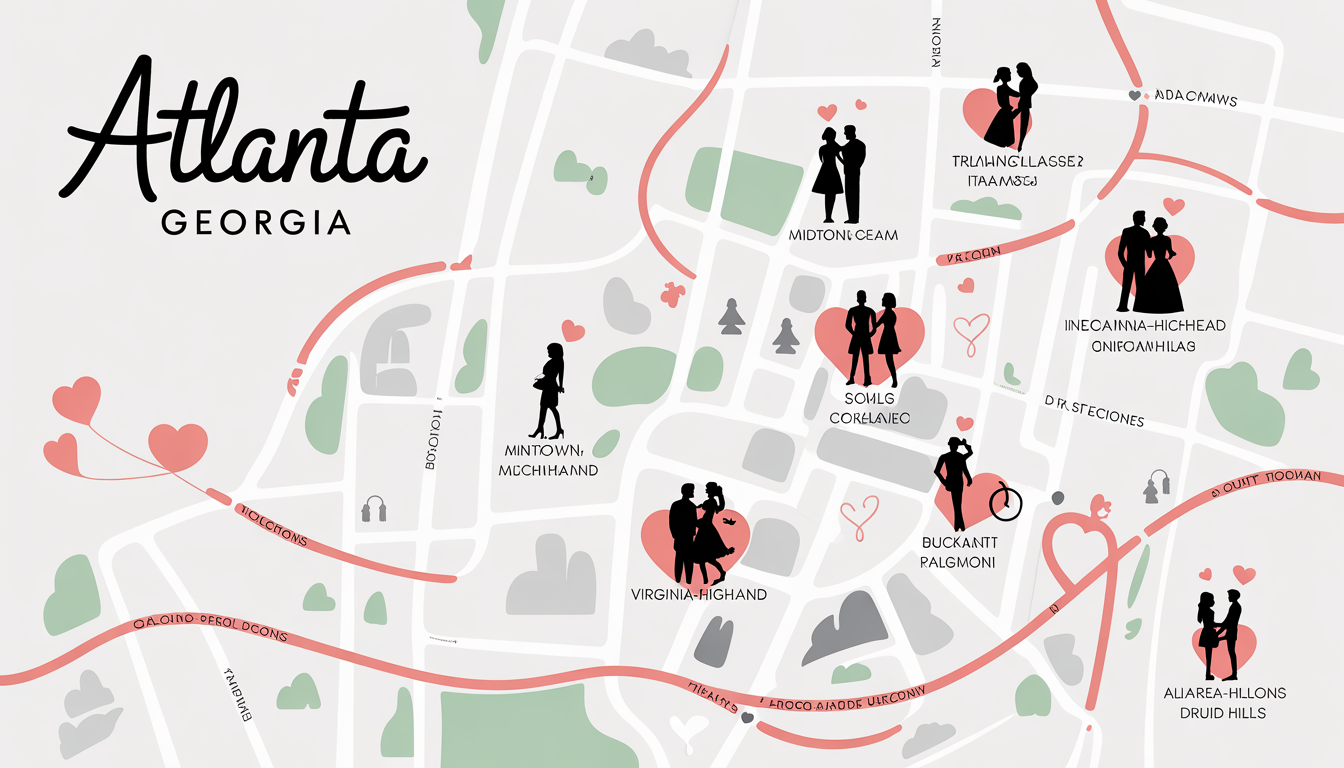
In Atlanta—a city constantly connecting, networking, and socializing—finding privacy becomes an intentional practice rather than a lucky accident. The spaces exist, but accessing them requires timing, local knowledge, and respect for the city's rhythms.
The most beautiful moments often happen in the quiet spaces between Atlanta's famous attractions. Knowing where and when to find those spaces transforms your experience of the city. It's not about hiding—it's about choosing your visibility, controlling your environment, and creating moments that feel authentically yours in a city that offers itself to everyone.
Remember: Atlanta's best private moments aren't marked on most maps. They exist in the understanding of time, place, and local patterns. Use this guide as your starting point, then develop your own private Atlanta—the city has enough space for everyone's quiet moments if you know where and when to look.