Couples Counseling
Discover what happens in premarital counseling, from the first session to the topics you will discuss. Learn how many sessions you need and when to start.

Discover what happens in premarital counseling, from the first session to the topics you will discuss. Learn how many sessions you need and when to start.
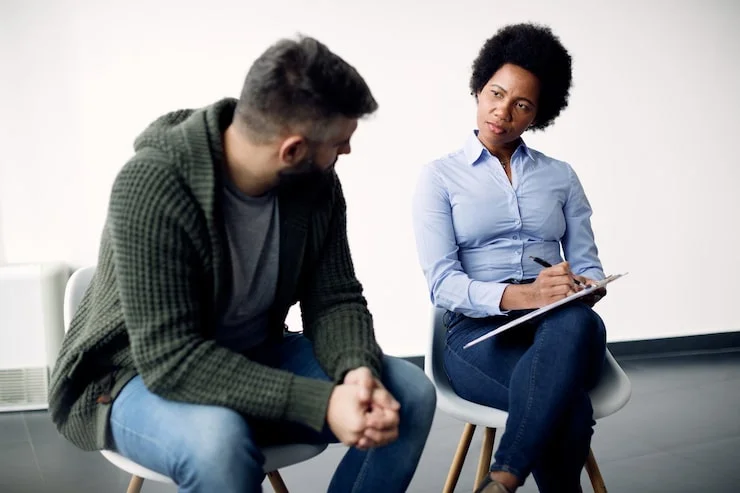
Premarital counseling is a structured process where you and your partner meet with a trained professional to prepare for marriage. The sessions focus on improving communication, resolving conflicts, and discussing important topics like money, family, and intimacy before they become problems. Most couples attend five to eight sessions, though the exact number depends on your needs and the counselor’s approach.
If you are engaged or seriously considering marriage, you might wonder what actually happens when you sit down in that room. Will it feel like therapy? Will you be asked uncomfortable questions? Will it change anything? These are fair questions. This guide walks you through every part of the process so you know exactly what to expect.

Many couples enter marriage with different ideas about what it will look like. One person might assume holidays will always be spent with their family. The other might assume they will split time equally. One might think saving money is the top priority. The other might prefer to enjoy life now and save later. These differences do not mean the relationship is doomed, but they do need to be talked about.
Premarital counseling gives you a space to have those conversations with guidance. Research shows that couples who participate in structured premarital programs tend to have better communication skills and higher relationship satisfaction. The goal is not to fix a broken relationship. The goal is to build habits and understanding that help your marriage last.
Read Also: Couples Counseling Exercises At Home
The first session usually starts with the counselor asking about your relationship history. How did you meet? How long have you been together? What made you decide to get married? These questions help the counselor understand your dynamic.
You will also likely fill out a questionnaire. Many counselors use assessment tools like the Prepare-Enrich inventory. This tool asks each partner separately about topics ranging from communication styles to financial habits to family background. The counselor then compares your answers to identify areas where you agree and areas where you might have different views.
One important thing to know: you and your partner fill out these questionnaires separately. This means you each answer honestly without feeling pressured by the other person’s presence. The counselor uses the results to guide future sessions toward the topics that matter most for your relationship.
Every counselor structures sessions differently, but most cover a similar set of topics. These are the areas that research and experience show matter most for long-term relationship success.
This is often the biggest part of premarital counseling. You will learn how you currently talk to each other when you disagree. The counselor might ask you to discuss a recent disagreement in the session while they observe.
You will learn specific skills. Active listening is one example. This means truly focusing on what your partner says rather than planning your response while they talk. Another skill is using “I” statements instead of “you” statements. Saying “I feel hurt when plans change last minute” lands differently than “You always ruin our plans.”
The counselor will also help you identify your conflict patterns. Do you withdraw when things get tense? Do you pursue your partner until they engage? Understanding these patterns helps you break cycles that cause damage over time.
Money is one of the most common sources of tension in marriage. Premarital counseling gives you a structured way to talk about it before you merge your lives.
You will discuss your current financial situations. This includes income, debt, and savings. You will talk about your spending habits and what you learned about money growing up. You will also discuss practical decisions. Will you have joint accounts or separate accounts? Who pays which bills? How will you handle large purchases?
These conversations can feel awkward. But having them before marriage is far easier than having them in the middle of a financial crisis.
Your families shaped who you are. They also shaped your expectations about what marriage looks like. Premarital counseling explores these influences.
You will talk about your relationships with your parents and siblings. You will discuss how much time you plan to spend with extended family. You will also talk about boundaries. How will you handle it if a parent gives unwanted advice? What happens if there is conflict between your partner and your family?
If you plan to have children, you will discuss parenting approaches. How were you disciplined as a child? What do you want to do the same or differently? These conversations help you get on the same page before you are making decisions in the moment.
Many couples find it hard to talk about sex. Premarital counseling gives you permission and structure to have these conversations.
You will discuss your expectations for physical intimacy. You will talk about affection and how you show love. If you have concerns or past experiences that affect your intimate life, the counselor can help you address them in a safe space.
This is not about judging anyone’s preferences. It is about making sure you and your partner understand each other so you can build a satisfying intimate relationship.
What matters most to you? What principles guide your decisions? These are your core values. Premarital counseling helps you understand each other’s values and see where they align or differ.
Religion and spirituality often come up here. If you share the same faith, you will talk about how it will shape your marriage. If you have different beliefs, you will discuss how to respect each other’s views and handle decisions like religious practices or raising children.
You May Also Like: How To Prepare For Your First Couples Counseling Session
Most counselors recommend between five and eight sessions. Some programs run for eight to twelve sessions. The right number depends on your situation.
Couples with fewer differences or who have already talked through many important topics might need fewer sessions. Couples navigating major differences or complex family situations might benefit from more time. The counselor will usually suggest a plan after the first session and adjust it based on how things go.
The ideal time to start premarital counseling is three to six months before the wedding. This gives you enough time to complete the sessions without feeling rushed. It also gives you space to work through anything that comes up before the wedding stress takes over.
Some couples start earlier, especially if they are not yet engaged but are seriously considering marriage. Others start after the wedding. Any time is better than never, but starting before the wedding allows you to address issues before they become part of your married life.

It helps to understand what this process is not, so you have accurate expectations.
It is not a test you can fail. There is no score that determines whether you should get married. The counselor is not there to judge your relationship.
It is not a place where the counselor tells you what to do. A good counselor guides conversations and offers tools. They do not make decisions for you.
It is not only for couples with problems. Even couples who feel completely solid benefit from the structured conversations and skills practice. Think of it as preventative care, not emergency treatment.
You will know premarital counseling is working when you leave sessions feeling like you understand your partner better. You might feel tired after some sessions because the conversations are deep. But you should also feel more confident, not less.
You will notice small changes in how you communicate outside the sessions. You might catch yourself listening more carefully. You might pause before reacting. These small shifts build over time into habits that strengthen your relationship.
If you feel the counselor is not a good fit, it is okay to switch. The relationship with your counselor matters. You need someone you both trust and feel comfortable with.