Unhealthy attachment in relationships means you have a pattern of connecting with people that causes pain. This pattern repeats with partners, friends, or family. You may feel too scared of losing someone. Or you may push people away before they can hurt you. These behaviors come from early life. They are not your fault. But they can change with therapy.
When attachment is unhealthy, love feels heavy. You might check your phone many times to see if a partner replied. You might feel sick when they take time for themselves. Or you may never ask for help. You may feel trapped when someone gets close. Both ways hurt. Both ways stop you from having safe, therapy for unhealthy attachment in relationships.
Signs You Have Unhealthy Attachment

People with unhealthy attachment show clear signs. These signs happen again and again in different relationships.
You Fear Being Left Alone
You worry all the time that your partner will leave. Even when nothing is wrong, your mind finds proof. A late text means they do not care. A quiet evening means they are angry. You ask for reassurance many times a day. But reassurance never lasts long. Soon the fear comes back.
You Feel Too Much Too Fast
You fall hard for someone new. Within days, they become your whole world. You want to be with them every hour. You stop seeing friends. You stop doing your hobbies. Their mood controls your day. This is not love. This is an anxious attachment pattern.
You Push People Away
The other side of unhealthy attachment is avoidance. You do not trust closeness. When someone likes you, you find faults in them. You disappear for days. You say you do not need anyone. You feel trapped by feelings. So you leave first. This way no one can leave you.
You Stay In Bad Relationships
Some people know a relationship is wrong but cannot leave. The partner lies, ignores, or hurts them. Still they stay. They think being treated badly is better than being alone. This is a deep sign of unhealthy attachment. Therapy can help break this loop.
Read Also: Trauma Therapy Techniques For Adults
Where Does Unhealthy Attachment Come From?
Unhealthy attachment starts in childhood. Your first relationships teach you what love looks like. If your parent was warm and steady, you learn trust. If your parent was hot and cold, you learn fear. If your parent ignored you, you learn to not need anyone.
This is not about blaming parents. Most parents did their best. But their best still left wounds. Those wounds live in your body. They wake up when you try to love someone as an adult.
Some common early causes are:
-
A parent who left for days without saying where
-
A parent who shouted or broke things
-
A parent who was there sometimes but not other times
-
A parent who made you comfort them instead of the other way
-
A parent who said your feelings were too much
These experiences teach your brain that love is not safe. Your brain then tries to protect you. But it uses old tools. Those tools do not work in adult relationships.
How Therapy Helps Unhealthy Attachment?
Therapy is the most direct way to change unhealthy attachment. You do not need to understand everything about your past first. You just need to show up. A good therapist gives you a new relationship experience. That experience slowly rewires your brain.
Here is what therapy does step by step.
Therapy Gives You Safety
The first job of therapy is safety. Your therapist does not leave. They do not shout. They do not play games. Week after week, they are there. At first this feels strange. Your body waits for the bad thing to happen. But the bad thing does not come. Slowly your nervous system calms down. You learn that a steady person exists.
Therapy Names Your Pattern
Many people do not see their own pattern. They just feel pain. A therapist watches how you talk about your relationships. They notice small things. You say your partner needed space and you cried for three hours. The therapist says, that sounds like anxious attachment. Naming it gives you power. Now you are not broken. You have a pattern you can change.
Your old tools worked when you were small. Checking on a parent made you feel safe. Now checking on a partner twenty times a day does not work. A therapist teaches you new tools. You learn to sit with fear without acting. You learn to ask for what you need in a clear way. You learn to let people come close without losing yourself.
Therapy Changes Your Body
Attachment lives in your body, not just your mind. Your chest tightens when your partner does not reply. Your stomach drops when they seem distant. These are body memories. Talk therapy helps but body therapy helps more. Some therapists use EMDR or somatic therapy. These methods calm your body's alarm system. After body work, the same situation feels different. You stay calm.
Types Of Therapy That Work For Unhealthy Attachment
Not all therapy is the same. Some types work better for attachment problems. Here are the ones that help most.
Attachment Based Therapy
This therapy was made exactly for this problem. The therapist focuses on your early bonds. They help you see how past relationships shape now. Then they help you build new patterns. This therapy is gentle and slow. It works well for people with deep fear of closeness.
Emotionally Focused Therapy
EFT is for couples but also for individuals. It looks at the cycle you get stuck in. One person chases. The other runs away. This chasing and running is the problem, not the people. EFT stops the cycle. Then each person feels safe enough to come close.
Cognitive Behavioral Therapy
CBT is more practical. It looks at your thoughts. When your partner does not text back, what do you think? You think they hate you. That thought is not fact. CBT helps you test your thoughts. You learn to see the difference between fear and truth. Over time your thoughts become more balanced.
Eye Movement Desensitization And Reprocessing
EMDR works on the body level. It helps your brain store old memories differently. After EMDR, a memory of a parent leaving does not feel like it is happening now. It feels like a story from long ago. This stops the body from reacting with panic in current relationships.
What A Therapy Session Looks Like For Attachment Work?
If you have never gone to therapy, you might wonder what happens. Here is a real example.
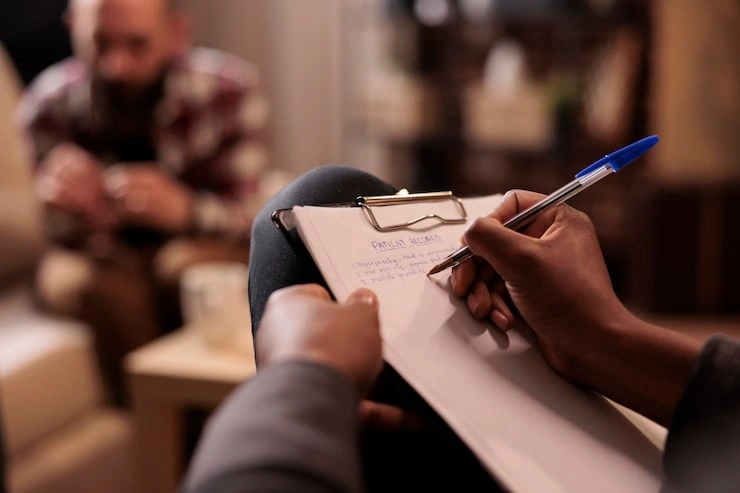
You sit in a quiet room with a therapist. They ask how your week was. You say your partner seemed cold last night. The therapist asks what happened before that. You remember you asked them to come to dinner with your friends. They said no. You felt left behind.
The therapist does not say your partner is bad. They also do not say you are too sensitive. They ask, when have you felt this feeling before. You pause. You remember being eight years old. Your mom said she would come to your school show. She did not come. The feeling is the same.
The therapist helps you stay with that memory but from a safe distance. You are not eight anymore. You are an adult with choices. You can feel sad for that child. Then you can come back to now. Your partner said no to dinner. That is not the same as your mom not showing up.
This kind of work takes time. But each session layers a small change. After many sessions, your body learns the new truth. You are safe. Not everyone leaves.
You May Also Like: Couples Therapy Exercises For Communication
How Long Does Therapy Take For Unhealthy Attachment?
This depends on you. Some people feel better in three to six months. Others take a year or two. Attachment formed over many years. It will not disappear in six weeks. But you will see small wins early.
You might notice the first win after four sessions. Your partner says they need a quiet night. You feel the old panic start. But then it stops. You say okay. You read a book. You do not cry or check your phone. That is a big win.
Do not rush this work. Your brain is changing. That change must be slow to be real.
Can You Fix Unhealthy Attachment Without Therapy?
Therapy is the fastest and safest way. But some people cannot afford it or access it. In that case, you can do self work. It is harder but possible.
Start by noticing your pattern without judging it. Just watch. When you feel the urge to text ten times, say to yourself, there is my anxious attachment. That pause is powerful.
Read books about attachment. The book Attached by Amir Levine is a good start. It explains patterns clearly. You will see yourself on the page. That alone helps you feel less broken.
Practice being alone on purpose. Sit for ten minutes without your phone. Do not call anyone. Let the discomfort come. Breathe through it. This builds your ability to hold your own feelings.
Tell one safe person about your pattern. You do not need to fix it together. You just need to say it out loud. This breaks the shame.
But if you have deep pain or if you stay in harmful relationships, please find a therapist. Some offer sliding scale fees. Some work online. Do not do hard work alone if you do not have to.
When To Get Help Right Now?
Some signs mean you should call a therapist this week.
- You think about hurting yourself when a relationship ends
- You stay with someone who hits you or screams at you
- You cannot eat or sleep because of fear of being left
- You have ended every relationship before it got close
- Your child shows signs of attachment problems
These are serious signs. Therapy is not a luxury for you. It is a need.
What To Look For In A Therapist For Attachment
Not every therapist knows attachment work. Ask these questions before you start.
- Do you work with attachment problems
- What kind of therapy do you use for attachment
- How long have you done this work
- Do you do body based work like EMDR
A good therapist answers clearly. If they do not know what you are talking about, find someone else.
You also need to feel safe with them. In the first few sessions, notice your body. Do you feel a little calm around them. Or do you feel more scared. Your body knows. Trust it.
What To Do After Therapy Ends?
Good therapy gives you tools you keep for life. But you will still have hard days. That is normal. On hard days, you do what your therapist taught you. You breathe. You wait before acting. You call a friend. You do not call your therapy for unhealthy attachment in relationships.
You also watch for new relationships that feel too exciting. For someone with unhealthy attachment, calm love feels boring at first. But calm love is the real thing. The roller coaster is not love. It is your old pattern looking for a ride.
Over time you build a new normal. You can be close without losing yourself. You can be alone without falling apart. You can ask for help without shame. This is what secure attachment feels like. It is quieter than you think. But it is much warmer.
Conclusion
Unhealthy attachment is not a life sentence. It is a pattern. Patterns can be changed. Therapy gives you the best chance to change yours. You do not need to be perfect before you start. You just need to show up. Find a therapist you trust. Do the small hard work week by week. One day you will look back and see how far you have come. That day is worth every session.

