Therapy
Discover effective trauma therapy techniques for adults, including EMDR, CBT, and somatic therapy. Find paths to healing and recovery.

Discover effective trauma therapy techniques for adults, including EMDR, CBT, and somatic therapy. Find paths to healing and recovery.

Trauma sneaks up and squats in your life. One day you're okay, next you're dodging shadows from years back. Adults carry it quiet—work smiles hiding inner chaos. Been there with folks I know. This guide unpacks trauma therapy techniques for adults that cut through the fog. Practical steps, no hype. We cover basics to daily hacks. If you're tired of the weight, read on. Healing's real, and it's closer than you think.
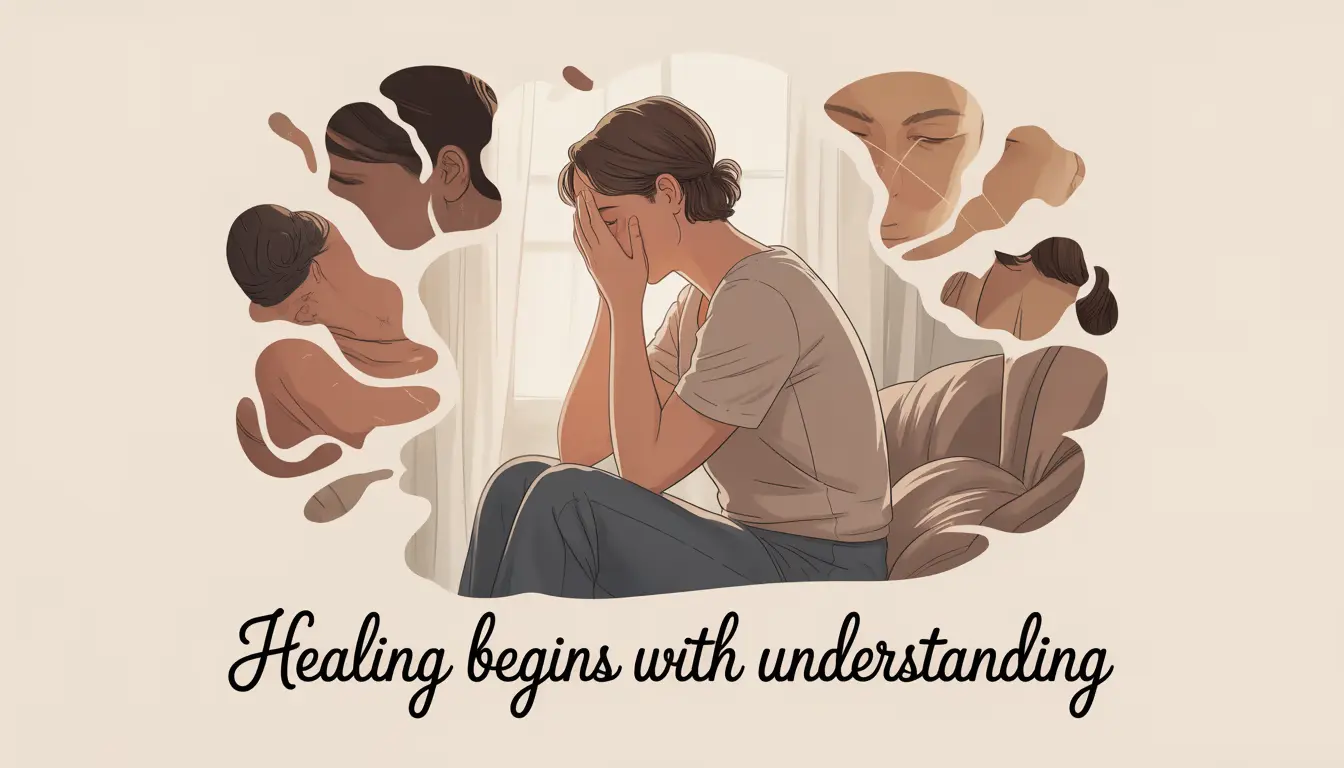
Trauma's a thief—it steals calm. Car wreck, betrayal, endless workplace grind. Brain goes haywire, survival kicks in hard. Post-event, you're wired wrong: nightmares jolt you awake, crowds feel like traps. Or worse, numb city—nothing touches you.
Take my buddy Mark, 35, snapping over small stuff. Old army days plus divorce piled up. Therapy maps it: list triggers (sirens, arguments). Breathe through: slow inhales ground you. Awareness flips the script. Brains rewire slow but sure—repeat safety cues, symptoms fade 50% in months. Waves of good days grow. Journal raw: "Felt safe walking today." No quick fix, but steady pulls you forward. Past shrinks when you name it. You're tougher than the scars.
Read: When to Stop Marriage Counseling: A Complete Guide
CBT's my pick for thought tangles. Trauma spins lies—"Bad things always hunt me." It calls bluff. Weekly chats, therapist probes: "Proof?" You rewrite.
Homework's key: Fear 0-10 on memory. Bad thought: "I'm ruined." Counter: "I rebuilt after." Practice aloud. Exposure creeps in—recall details calm, build tolerance.
Sarah, office mom, flipped crash fears. Drove free in 10 weeks. Numbers agree: anxiety crashes 60%. Lunchtime drills fit adults. Breathe deep mid-task. Power shift—mind serves you. Not overnight, but clicks build. Grab paper, start listing. You'll own your headspace again.
EMDR's wild—eyes zip side-side on trauma recall. Brain sorts junk like sleep does. No forcing words. Rate distress, hold scene, track fingers. Neg belief ("Helpless") to pos ("Safe"). Buzzers or taps optional. Phased gentle.
Guys post-assault? Relief in 5 sessions, 80% less hell. Self-version: arm-cross taps, eyes shut. Panic buster. Build safe images first. Trauma tape snaps—lighter load. Folks grin post-session. Words stuck? This bypasses. Feels right when it lands.
Body holds trauma tight—knotted gut, clenched jaw. SE shakes it loose, animal-style after scares. Spot sensation: "Heat rising?" Nudge tiny: wiggle fingers. Shift to ease, repeat. Energy flows out—trembles, breaths.
Abuse vet client unfroze shoulders in 7 goes. Home: fist squeeze-release. Vagus chills you out, studies say. Subtle, mighty. Gut talks truth—listen. Hugs land soft now. Vent the pressure.
Mindfulness yanks you present. Trauma drags back; this says no. Breath watch, gentle trauma therapy techniques for adults.
5-4-3-2-1: sights, touches—bam, here. Box breath evens storms.
Scans halve PTSD fast. Kit:
Wrist ice: Shock to now.
Feet roots: Ground deep.
Ritualize bedtime. Joy filters in. Puppy training—kind nudges win.

Groups crack isolation. Share circle, "Me too" lands. Themed nights, stick-pass talk.
Mirror listens, role-play bounds. Depression dips, bonds endure.
Perks:
Tips traded: "Chamomile nights."
Check-ins push.
Lurk first. Fire-lit stories heal. Step up.
Blend for power. Morn CBT note, noon somatic, night mind.
Pro plans it. Track wins. Walks, teas boost.
Daily table:
| Slot | Tool | Do This | Gain |
|---|---|---|---|
| AM | Ground | Senses list | Anchor |
| Noon | CBT | Thought swap | Clear head |
| PM | Somatic | Tap release | Loose body |
| Night | Mind/EMDR | Breath + hug | Restful |
Relapse? Reset. Stacks build unbreakable you.
You May Also Like: What Is Differentiation In Couples Therapy?
Use it or lose. Self-checks monthly. Mentor, yoga. Gratitude lists.
Scar mindset: lessons learned. Toolkit ready, thrive.
Watch for nagging anxiety, flashbacks popping up, dodging people/places, wrecked sleep, or numb detachment. If it's messing life for weeks, therapy steps in gentle. Journal signs first—clarity comes.
Quick for some—EMDR shifts in sessions; CBT builds over 2-3 months. Stick 8-12 weeks minimum. Note tiny changes; they snowball.
Absolutely—grounding or box breaths are safe starters. Builds momentum. Pros handle depths safely, though. Blend for max effect.
Nope, covers everyday gut-punches too—betrayals, failures. Scale matches impact.
Pivot! Bodies/minds differ. Mix somatic with mindfulness. Therapist guides trials—your perfect fit's out there.
If isolation bites, yes. Try one—observe first. Bonds form fast, amplify solo work.