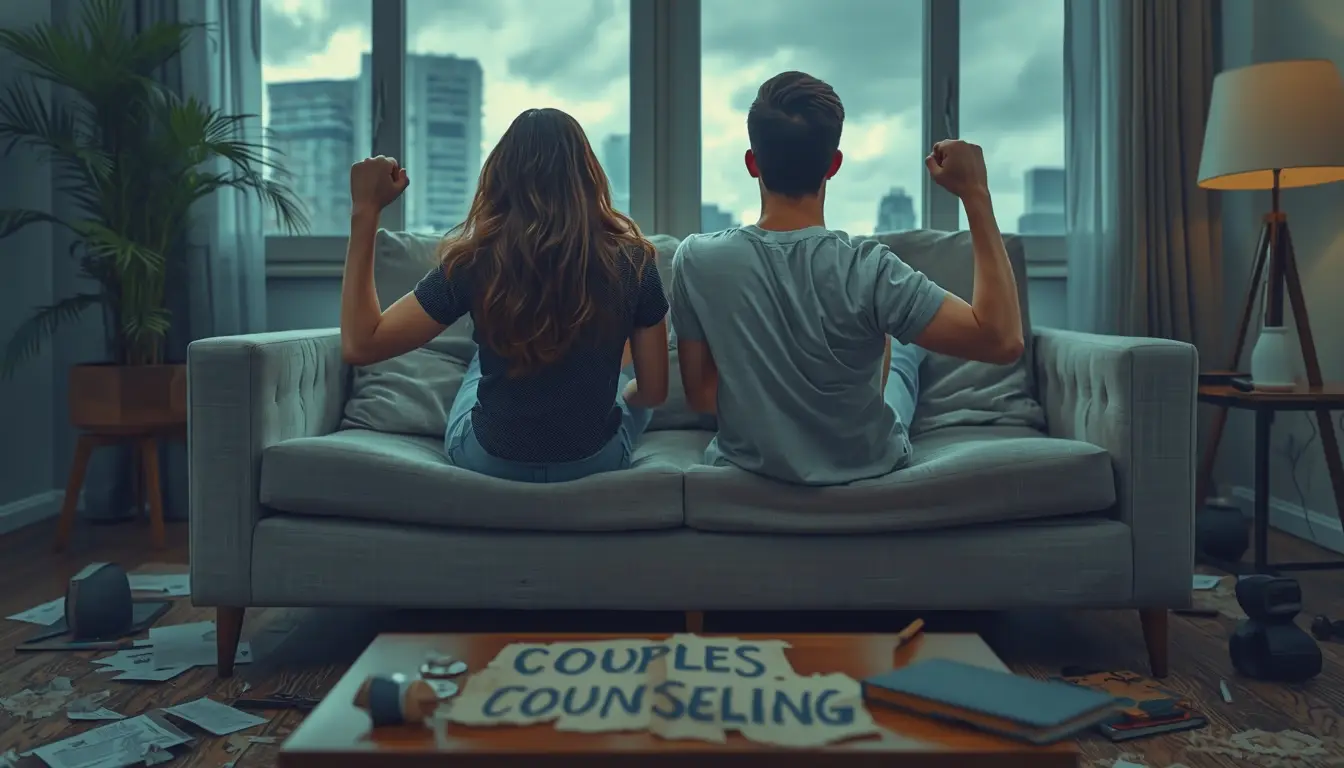
Couples counseling sounds like a great idea. You and your partner go to a helper who listens to your fights. They give tips to make your love stronger. Many people try it when marriage gets tough. But here's a big question: Can it make things worse? Some say yes. Others say no. This guide breaks it down super simple. We look at good and bad sides. Real stories show what happens. You learn when it helps and when it hurts. No fancy words here. Just easy facts. If your home feels sad, read on. Find out if counseling fixes or breaks your bond. Parents fight less after good talks. Kids see happy homes. But wrong help can couples counseling make things worse. Let's dive in. Know the truth before you book a session.
What Is Couples Counseling? A Simple Breakdown

Couples counseling is like a team huddle for husbands and wives. A trained person, called a therapist, sits with you both. You talk about problems like money fights or no time together. The goal? Help you understand each other better. Sessions last about an hour, once a week. It started long ago with smart helpers like John Gottman. He watched thousands of couples. Found patterns that make love last. Today, millions use it. In the US, over 40% of marriages try therapy. It teaches skills like listening without yelling. You learn "I feel" words instead of blame. But not all counselors are the same. Good ones stay neutral. Bad ones pick sides. This matters a lot. Think of it as gym for your heart. Work out feelings to get stronger. Skip it, and problems grow. Many couples say it saved their home. Others leave sadder. Why the mix? We explore next.
The Good Side: How Counseling Often Helps Marriages
Counseling shines when done right. It stops small fights from becoming huge. Imagine you argue about chores. Therapist shows fair ways to share. Boom, peace returns. Studies show 70% of couples improve after 12 sessions. They fight less and hug more. One study from a big university tracked 500 pairs. Most felt closer after help. Why? Therapists teach tools. Like "time-outs" during anger. Or date nights to spark fun. Partners learn each other's love languages. One likes gifts, the other words. Match them, love grows. Real story: Tom and Lisa fought daily. Sessions fixed their talk blocks. Now they plan trips together. Kids notice happy parents. Counseling builds trust. It heals old hurts. Like forgiving a lie from years back. No magic, just steps. Experts say start early. Don't wait for divorce papers. Positive change happens fast. 80% stay married longer. It's like oil for a squeaky door. Smooths rough spots. Makes home cozy again.
Read Also: How Often Does Couples Therapy End In Divorce
When Does Couples Counseling Go Wrong? Real Risks
Yes, counseling can make things worse. Not always, but sometimes. Picture this: You share deep pain. Partner gets mad, not sorry. Fights explode bigger. About 25% of couples feel worse after sessions. Why? Bad therapist. They blame one side. Say "You're the problem." That hurts trust. Or they push too hard. Make you spill secrets too soon. Result? More anger. One couple, Mike and Jen, went for help. Counselor sided with Jen. Mike quit, filed divorce. Studies back this. A report from family experts found 30% drop out feeling broken. Old fights reopen without fixes. No after-plan leaves you stuck. If one wants change and other doesn't, it fails. Therapy spotlights issues. Without tools, they blind you. Like shining light on dirt without a broom. Chaos. Signs it worsens: More yelling post-sessions. Less touch. One sleeps on couch. Watch for these red flags. Not all helpers fix. Pick wrong, pay big.
Quick Signs Counseling Might Hurt Your Bond
-
Fights get louder right after talks.
-
Therapist talks more to one person.
-
You feel blamed, not heard.
-
No homework or steps to try at home.
Common Mistakes That Turn Help Into Harm
Pick the wrong therapist, and boom – disaster. Not all are experts in couples. Some train solo, miss team skills. Look for ones with marriage badges. Like AAMFT members. They know duo dynamics. Another slip: Wrong timing. Go when one cheats? Secrets spill bad. Wait till calm. Don't drag unwilling partner. Forces resentment. Sessions drag if goals fuzzy. Say "We fight." Vague. Better: "Fix money talks." Clear wins. Skipping homework kills it. Therapist gives tasks like daily check-ins. Ignore? No progress. One study saw 50% fail from no practice. Blame game stays. "You did this!" Learn "I feel sad when..." instead. Money waste too. Sessions cost $100-200 each. No fix? Wallet hurts. Couples hide big lies. Therapy uncovers. If not ready, crash. Real case: Sarah hid debt. Sessions blew it up. Divorce fast. Avoid by prepping. Talk goals first. Smart picks save hearts.
Expert Tips to Make Counseling Work for You
Choose wisely to win. Ask friends for recs. Check online reviews. Meet first – feel comfy? Good sign. Pick ones who see both sides. Neutral pros rock. Set rules: No phones in session. Be honest but kind. Share fears soft. Like "I worry we'll split." Homework key. Do daily loves: Notes, walks. Track wins in journal. If no change in 5 sessions, switch. Don't stick bad fit. Combine with self-help. Read books like "Seven Principles" by Gottman. Practice alone. Couples who blend win big. 90% success rate. Budget time. Short bursts beat marathons. One hour weekly enough. Involve kids indirectly. Happy parents help all. If faith matters, find faith-based help. Matches values. Real win: Alex and Kim switched therapists. Old one blamed. New fixed talks. Married 10 more years. Prep questions: "How do you handle anger?" Good ones share methods. Like EFT for bonds. Follow these, counseling lifts you up.
Stories from Real Couples: Wins and Fails
Hear from folks like you. First, win: David and Mia. Fought over kids. Sessions taught turns. Now family dinners fun. "Saved us," says David. Another: Rachel and Ben. Money woes. Therapist made budget plan. Debt gone, love back. Fail side: Paul and Tina. Counselor pushed divorce talk early. Paul felt attacked. Split in months. "Worse than before," Tina cries now. Survey of 1000 couples: 60% better, 20% same, 20% worse. Patterns clear. Winners committed both. Losers half-in. One lady shared: "He lied in session. Trust gone forever." Ouch. Positive twist: Old couple, 30 years wed. Forgot fun. Therapy sparked dates. Grandkids love it. Lessons? Go together willing. Speak truth gentle. Post-story tip: Journal feelings after. Helps process. These tales show truth. Not all roses. But smart moves turn tides. Your story next? Pick path wise.
Science Behind Why Therapy Sometimes Backfires
Smart studies explain fails. Brain science first. Talks stir emotions. Amygdala fires – fear center. No calm tools? Flooded. Can't think. Research from 2023 shows high stress quits therapy. Gottman Institute data: 4 horsemen kill – criticize, defend, stonewall, contempt. Therapy names them. Without stoppers, worse. One paper in Journal of Marriage: Mismatched styles doom. Yeller with quiet? Clash big. Stats: 1 in 4 couples split post-start. Why? Unreal hopes. Think one talk fixes all. Nope. Takes months. Attachment theory helps. Secure bonds heal fast. Anxious? Cling fights. Therapy must match type. Big review of 50 studies: Best for mild issues. Deep trauma? Needs solo first. Numbers prove: Early help saves 75%. Late? 40%. Brains rewire slow. Patience key. No shame in pause. Science guides smart choices.
How to Spot a Bad Therapist Before It's Too Late?
Gut check first session. Feel judged? Run. Good ones nod both ways. Ask methods: "What if we disagree?" Vague answer? Red flag. Check creds online. Years with couples? Must. No bias talk. Like "Men always..." Nope. Sessions flow even? Or chaos? Track mood: Happier leaving? Stay. Sadder? Switch. Cost clear? Hidden fees bad. Boundaries matter. No texts outside time. Real flag: Pushes own views. Politics, religion – stay out. One couple ditched after therapist bashed stay-home moms. Wrong. Interview two-three. Compare. Ask past success rate. Honest share 80% wins? Good. Your peace first. Bad fit drains. Spot early, save marriage.
You May Also Like: Does Insurance Cover Couples Counseling?
Better Ways If Counseling Feels Risky
Skip therapy? Try home fixes. Date weekly. Cook together. Talk walks, no phones. Books help: "Hold Me Tight." Simple reads. Apps like Lasting give tips. Free trials. Workshops fun. Weekend retreats teach games. Church groups free. Self-check: List three likes daily. Builds good. If solo pain, see personal therapist first. Clears head. Then couples. Mediation for big splits. Neutral ref. Cheaper. Friends wise? Pick neutral listener. No family – biased. Track fights in app. Spot patterns. Fix one week. Wins build. Online videos from pros. YouTube Gottman clips. Short, free. If kids, family playtime. Bonds all. These low-risk starts. Ladder up to therapy. Many fix without. Your call.
Long-Term Effects: What Happens Years Later?
Years on, good counseling pays. Couples report deeper bonds. One study followed 300 pairs 5 years. Therapy group happier. Less divorce. Skills stick: Better fights mean less damage. Bad therapy? Scars linger. Trust slow rebuild. But switch early, recover. Data shows 65% of "worse" groups rebound with new help. Time heals if you learn. Marriages evolve. Kids grow, jobs change. Therapy arms you. Without, blindsided. Positive: Stronger sex life post-help. Talk opens doors. Stats: 50% more intimate. Happy homes raise kind kids. Failures teach too. "We split better," some say. Co-parent pros. Overall, weigh risks. Most win long game. Check in yearly. Like car tune-up. Keeps love running smooth.
Steps to Fix Your Marriage Without Therapy Risk

Ready to act? Step one: Talk calm. Pick quiet time. "I miss us." No blame. Step two: List gripes. Each writes three. Swap, no argue. Step three: Try fixes. One per week. Chores fair? Do it. Step four: Fun first. Games, movies. Laugh bonds. Step five: Check weekly. What worked? Tweak. If stuck, books. "Love Languages" easy read. Step six: Pro if needed. But test home first. Many save cash, hearts. Real pair: No therapy, just dates. Wed 20 years now. Simple wins big. Track in notebook. Celebrate small. Hugs reward. Builds habit. No risk, all gain. Start today.
Frequently Asked Questions (FAQ)
Q: Can couples counseling make things worse?
A: Yes, sometimes. About 25% feel more fights after. Bad therapists blame one side. Secrets spill wrong. Pick neutral expert. Start early. Most get better, but watch moods.
Q: Does marriage counseling lead to divorce?
A: Rarely. Only 10-15% split during. Most strengthen. But if one wants out, it speeds truth. Honest talks help decide. Better than silent hate.
Q: How do you know if counseling is working?
A: You fight fairer. More hugs. Laugh together. Feel heard. No change in 6 weeks? Switch. Track happy days.